
The world of psychedelics has undergone a quiet revolution. While the imagery of Ayahuasca ceremonies in the Amazon or the intense crackling of a glass pipe for crystal N,N-Dimethyltryptamine (DMT) still dominates popular culture, a new, more accessible medium has emerged. The DMT vape cartridge has transformed one of the most powerful psychedelic experiences into a discrete, dosage-controlled, and repeatable form. This shift is not merely about convenience; it represents a fundamental change in how users approach the "spirit molecule."
For decades, the barrier to entry for DMT was high. The substance could be harsh to smoke, difficult to dose accurately, and often produced a burning, throat-searing sensation that distracted from the visual and metaphysical journey. The vaporization standard changed with the introduction of e-liquid blends. These cartridges mix DMT freebase with a carrier liquid—typically propylene glycol (PG) or vegetable glycerin (VG)—and sometimes terpenes for flavor. The result is a smooth, cool vapor that allows for a much gentler come-up and the ability to build toward a breakthrough experience over a few minutes, rather than being shot out of a cannon in a single hit.
However, the rise of these cartridges has also created a chaotic gray market. The user must navigate issues of purity, concentration, and device compatibility. A standard 510-thread battery is the universal power source, but the resistance of the coil and the voltage setting drastically alter the experience. Too much heat degrades the delicate alkaloids; too little heat results in wispy, ineffective vapor. This article delves into the technology, the chemistry, and the practical reality of sourcing and using these modern tools for exploring consciousness.
Understanding the Chemistry and Formulation of DMT Vape Cartridges
Not all DMT cartridges are created equal. The fundamental difference lies in the formulation, specifically the ratio of DMT to the carrier liquid. This ratio dictates the entire experience, from the speed of onset to the depth of the psychedelic state. Most commercial and artisanal cartridges fall into one of two categories: low concentration blends (usually 300-500mg DMT per 1ml of oil) designed for microdosing or sub-breakthrough visuals, and high concentration blends (700mg-1g of DMT per 1ml of oil) designed for full ego dissolution and breakthrough experiences.
The chemistry of the carrier is equally important. Vegetable Glycerin (VG) produces massive clouds but is thick and can cause "dry hits" if the coil wicks slowly. This often leads to the user overheating the coil in frustration, burning the DMT and creating a harsh, carcinogenic vapor. Propylene Glycol (PG) is thinner, allows for better wicking, and carries flavor and alkaloids more efficiently, but it produces less visible vapor and can have a slight chemical taste. The most sophisticated producers use a PG/VG hybrid or, increasingly, liquid terpenes derived from cannabis or fruits. Terpenes not only mask the natural plastic-like taste of DMT but also act as perfect solvents, allowing for higher DMT saturation without crystallization. The synergy of flavors like Mimosa Hostilis root bark extract with a citrus terpene profile can even influence the subjective emotional tone of the trip, a phenomenon known as the "entourage effect" in the psychedelic space.
A critical factor often overlooked is the freebase quality. Impure DMT leaves behind a black, tarry residue that clogs coils within a few hits. High-quality cartridges leave the ceramic wick nearly as clean as the day it was filled. This purity is directly linked to the manufacturing process. A cartridge that is "cut" with synthetic cannabinoids, vitamin E acetate, or polyethylene glycol (PEG 400) will be harsh, cause lung irritation, and produce an impure trip. Users should only trust products that provide a clear, honey-like oil that does not recrystallize at room temperature unless stored in extreme cold. Understanding this chemistry is the first step toward a safe and profound journey.
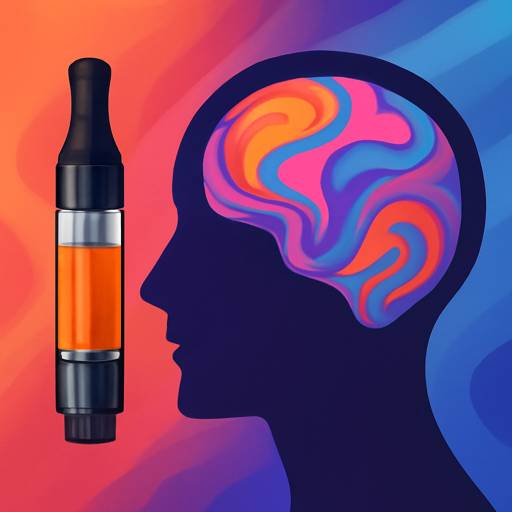
Navigating the Legal Landscape and Quality Assurance in the Market
The legal status of DMT in nearly every jurisdiction worldwide is unambiguous: it is a Schedule I controlled substance. Yet, a thriving market exists online, particularly on the dark web and via encrypted messaging apps. For the legal researcher or the individual in a jurisdiction where psychedelics are decriminalized (such as certain cities in the USA, though the federal ban still applies), finding a reliable source is a minefield. The primary risks are not only legal but physiological. Counterfeit cartridges have been found to contain everything from nicotine to synthetic cathinones (bath salts) to heavy metals leached from cheap Chinese coils.
Quality assurance in this black market is nearly impossible to audit, but there are indicators. A legitimate producer will often provide a test result from a third-party lab (like Energy Control or a similar service) that shows the exact DMT percentage and confirms the absence of cutting agents. However, even these tests can be forged. The community standard has shifted toward "stealth" vendors who operate through niche forums. User reputation networks—where verified buyers rate the purity, shipping speed, and stealth—are currently the best metric for trust. A vendor who offers dmt cartridges for sale without any product photography, batch coding, or community feedback should be treated with extreme suspicion.
Another critical element is the shipping and packaging. DMT cartridges are small, but they are still a liquid. They must be shipped in leak-proof containers, often vacuum-sealed to avoid odor detection. The battery portion (if included) is a dangerous good due to lithium-ion batteries and cannot legally be shipped via air in many countries. Most reputable vendors will ship the cartridges separately from the batteries to avoid seizure. The legal risk for the buyer is also significant. While purchasing a small amount for personal use rarely results in severe penalties in some progressive regions, the act of shipping a controlled substance across state or national borders is a federal offense. As the public perception of psychedelics shifts towards therapeutic acceptance, the gray market for DMT cartridges remains a high-stakes environment where due diligence is the only protection against a bad trip—or a court date.
Real-World Applications: Case Studies in Microdosing and Therapeutic Breakthroughs
The most compelling evidence for the utility of DMT cartridges comes not from laboratories, but from the reports of the users themselves. The precise dosing capabilities of a cartridge have opened the door to a practice that was previously nearly impossible with crystalline DMT: microdosing. While magic mushrooms are famous for a sub-perceptual microdose, DMT offers a potent alternative.
A notable case study involves a software engineer, "Alan," who suffered from treatment-resistant depression. He found that a single 5-second draw from a low-concentration cart (estimated at 5-10mg) produced no visual hallucinations but did produce a distinct "reset" of his cognitive patterns. He reported a "liquidation of rigid thought loops" that allowed him to approach his work and social interactions with increased fluidity and reduced anxiety. He utilized this method three times a week for two months, reporting a 60% reduction in depressive symptoms according to the Beck Depression Inventory (BDI) score he tracked. This anecdote aligns with emerging research on the default mode network (DMN) in the brain. The DMT experience, even at sub-hallucinogenic levels, appears to quiet the DMN, which is overactive in depression and anxiety.
A second case involves a therapist in the Netherlands who works in a legal underground setting. She uses high-concentration cartridges for guiding clients through "breakthrough" experiences in a controlled, clinical living room. One patient, a veteran with PTSD, had previously failed to respond to ketamine therapy. Using a DMT cart, he was able to access a trauma memory that had been suppressed for decades. The rapid onset of the vape allowed him to enter the experience with guidance from the therapist, rather than the brutal, overwhelming rush of a smoked crystal. The therapist noted that the "gentler curve" of the vape allowed for integration during the experience, not just after. The patient did not achieve a full ego death but instead entered a state of "hyperspace" where he could converse with what he described as "entities" that helped him reframe his war experience as a lesson in vulnerability rather than a source of shame. He has since stopped taking SSRI medications and reports a 80% reduction in his hypervigilance symptoms.
These cases highlight a profound shift: the DMT cartridge is not just a delivery mechanism; it is a therapeutic tool that lowers the bar for entry into the psychedelic state. It allows for titration, something impossible with Ayahuasca or a pipe. The dosage can be fine-tuned. A user can take one puff for focus, two for sensory enhancement, or ten for ego dissolution. This flexibility is unprecedented in the psychedelic pharmacopoeia and points toward a future where DMT therapy could be as routine and controlled as a ketamine lozenge, provided the legal and manufacturing standards are eventually normalized.

Busan robotics engineer roaming Casablanca’s medinas with a mirrorless camera. Mina explains swarm drones, North African street art, and K-beauty chemistry—all in crisp, bilingual prose. She bakes Moroccan-style hotteok to break language barriers.