
BPC-157 has captured attention across laboratories for its intriguing profile in preclinical settings, spurring demand for consistent, well-documented materials that align with UK research standards. Yet navigating the landscape can be complex: regulatory classifications, assay-ready quality, and temperature-controlled logistics all matter as much as the peptide itself. For labs looking to integrate BPC-157 into method development, exploratory assays, or comparative analyses, the priority is clear—ensure that procurement, documentation, and handling uphold Research Use Only (RUO) compliance, batch traceability, and reproducible results. The following guide distills what teams in the UK should consider when evaluating suppliers, structuring workflows, and protecting data integrity around BPC-157.
What BPC-157 Is—and How It Fits Within the UK Research Landscape
BPC-157 (often expanded as Body Protection Compound 157) is a synthetic peptide fragment examined predominantly in preclinical research. Across publicly available literature, it has been explored in a range of bench and animal-model contexts to understand cellular responses, signaling cascades, and tissue-level outcomes. While the scientific dialogue continues to evolve, its status in the UK is straightforward for procurement teams: BPC-157 is not an approved medicine and is supplied strictly as a Research Use Only reagent. That means it is not for human or veterinary administration, nor for any consumer use. Laboratories should treat it as a chemical/biological research material—subject to institutional risk assessments, standard operating procedures (SOPs), and applicable safety regulations.
From a compliance standpoint, UK researchers should align sourcing and handling with established frameworks. Materials labeled as RUO fall outside medicinal pathways, so they must not be presented or implied as therapeutic products. If BPC-157 is incorporated into animal work, teams must hold the necessary authorisations and adhere to the Animals (Scientific Procedures) Act 1986, including Home Office licensing and ethics approvals. For non-animal lab work, ensure COSHH assessments, safety data sheets (SDS), and staff training are in place. Procurement officers may also check for GLP-aligned documentation, audit trails, and batch-level evidence that supports identity and purity claims.
Clarity on intent is critical. Any communications, procurement notes, or project protocols should explicitly state the research purpose, avoiding consumer-oriented claims or descriptions. Reputable UK suppliers will assess orders for compliance signals and reserve the right to refuse transactions that suggest misuse. In practice, this protects institutions and staff members while preserving the integrity of their projects. By making sure BPC-157 is acquired under the right terms—with transparent documentation, a verifiable chain of custody, and suitable packaging—research teams can focus on their protocols, confident that upstream processes support accuracy and reproducibility.
Selecting a Trusted UK Supplier: Purity, Testing, and Cold-Chain Assurance
For many studies, the peptide itself is just one variable among many—what differentiates reliable outcomes is robust quality control. When evaluating BPC-157 sources in the UK, prioritise suppliers that publish batch-specific Certificates of Analysis (COAs) and can demonstrate rigorous, independent third-party verification. At a minimum, look for high HPLC-verified purity (≥99% is a common benchmark), clear identity confirmation, and comprehensive contaminant screening. Leading providers implement Full Spectrum Testing that covers HPLC purity, identity (e.g., MS), heavy metals (e.g., ICP-MS), and endotoxins (e.g., LAL), with data tied to the precise lot you receive. This detail matters—not simply for peace of mind, but because it underpins your lab’s documentation, audit readiness, and reproducibility claims.
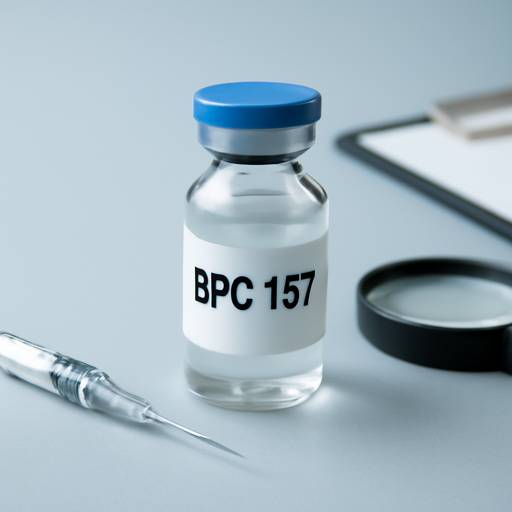
Packaging, storage, and logistics carry equal weight. Lyophilised BPC-157 should arrive in sealed, clearly labeled vials with traceable lot numbers. For temperature-sensitive materials, cold-chain storage with real-time or downloadable temperature logs helps substantiate that conditions remained within range. UK-based researchers often seek next-day, tracked dispatch to minimise transit time and reduce the risk of excursions. Look for suppliers that maintain temperature-monitored storage all the way through to dispatch, and who can advise on best practices for post-delivery storage—typically low-temperature conditions in the dark to preserve integrity. Tamper-evident seals, protective secondary packaging, and documented handling protocols are further signs of a mature operation.
Service depth can also influence project success. Vendor capabilities such as bespoke synthesis, technical support for method development, or institutional onboarding (e.g., procurement portals, PO invoicing) save time and help large teams standardise their workflows. Equally important, reputable suppliers operate with a strict RUO-only stance, supply non-injectable formats, and screen for orders that hint at improper use. For researchers seeking a UK-based source that aligns to these practices, it’s worth reviewing established providers like bpc 157 uk, ensuring the chosen partner meets the lab’s requirements for testing scope, documentation clarity, and delivery performance.
Practical Lab Scenarios, Handling Tips, and Documentation Best Practices
Once a qualified lot of BPC-157 is in hand, attention shifts to in-house handling and protocol design. Typical scenarios include exploratory in vitro evaluations—such as cell migration assays, scratch assays, or matrix-interaction studies—where teams seek to understand peptide behavior under controlled conditions. In ex vivo environments, BPC-157 may be incorporated into tissue or organoid models for observational analysis, following institutional approvals and SOPs. For animal research, project and personal licenses are essential, and all activities must conform to ethical and legal standards; RUO peptides are never for human or veterinary administration outside licensed research paradigms.
In practical terms, treat BPC-157 as a sensitive peptide. Many labs reconstitute lyophilised material using appropriate sterile buffers, prepare small aliquots to avoid repeated freeze–thaw cycles, and protect working solutions from light. While the precise conditions depend on your protocol and SOPs, it’s good practice to store sealed vials at low temperatures and document handling events meticulously. If the study design requires endotoxin-controlled work, validate that your lot meets suitable thresholds and adopt aseptic techniques as defined by your QA team. Where filtration or additional purification is part of the workflow, record the methods, membranes, and recovery yields so downstream analysts can interpret results accurately.
Documentation protects both the science and the team. Maintain an unbroken chain of custody for the peptide, starting from delivery: capture the lot number, COA, arrival time, package condition, and any temperature data provided. Log storage location and temperature, reconstitution dates, aliquot IDs, and disposal notes. Align records with COSHH assessments, ensure the SDS is accessible to all handlers, and include risk mitigations in lab notebooks or electronic systems. Waste should be segregated and disposed of under local hazardous-waste policies, and staff should be trained to manage spills or exposure in line with institutional safety plans. If questions arise—whether about stability, assay interference, or analytical troubleshooting—engage your supplier’s technical support early, providing batch numbers and method details so they can give targeted guidance.
Finally, protect study integrity by building reproducibility into the design. Include appropriate controls, validate analytical methods for your peptide matrix, and specify acceptance criteria before executing runs. Ensure materials are labeled Research Use Only, avoid any language that implies human use, and confirm that all team communications reflect the project’s research context. These measures, combined with high-quality sourcing and disciplined lab practice, give UK teams a strong foundation for generating reliable, audit-ready data with BPC-157.

Busan robotics engineer roaming Casablanca’s medinas with a mirrorless camera. Mina explains swarm drones, North African street art, and K-beauty chemistry—all in crisp, bilingual prose. She bakes Moroccan-style hotteok to break language barriers.